
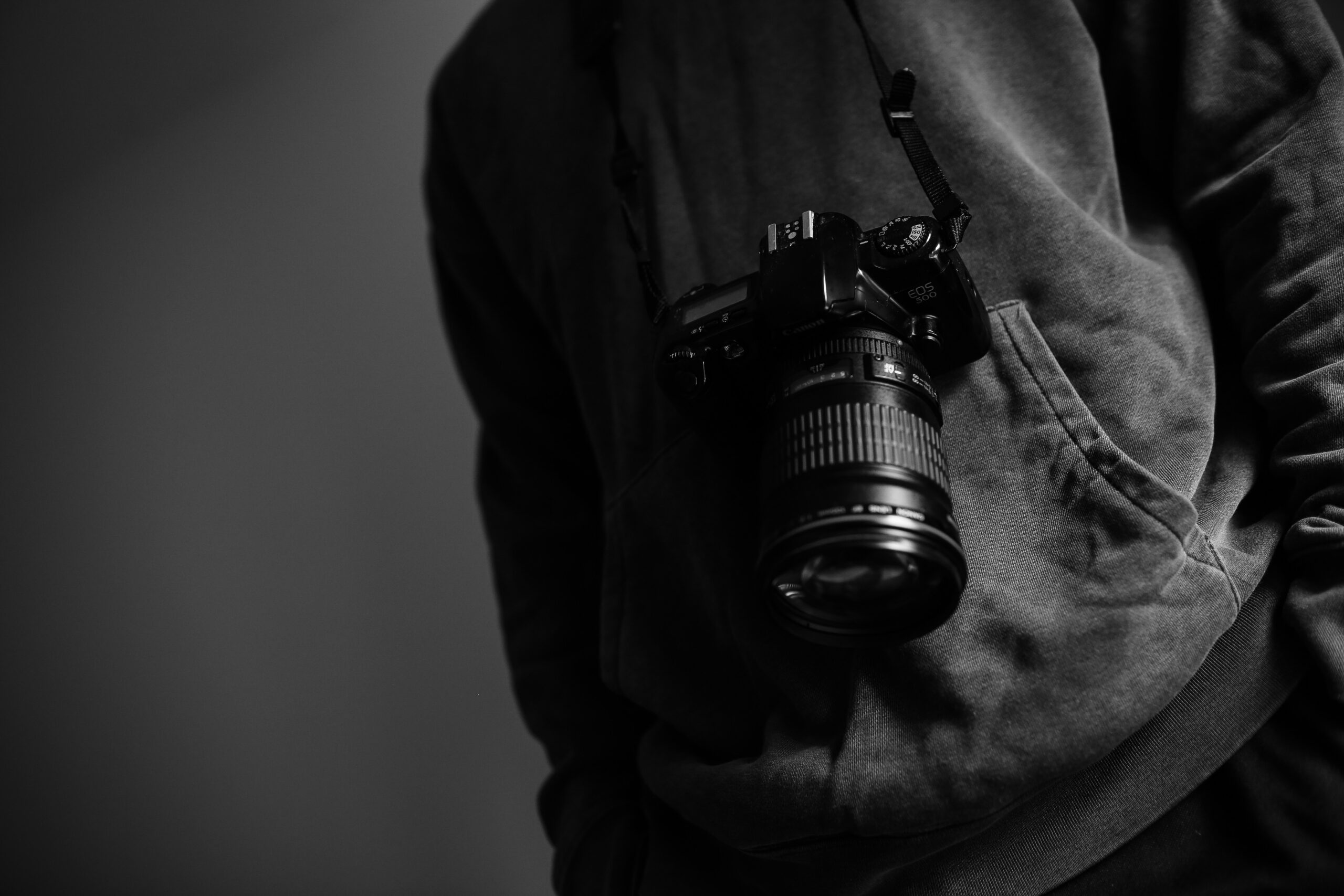
Picture this: my very first paid gig, I accidentally dropped a lens in front of the client and spent the rest of the session convinced I’d be “found out” as a fraud. Spoiler: I wasn’t. If you’re waiting for a magic moment when all your self-doubt vanishes, I’ve got news—every photographer wrestles with impostor syndrome (yep, even after decades behind the camera). Today, I’m breaking down what that inner critic is *really* up to, how social media messes with our heads, and why your journey is way more interesting than you think.
Confessions from the Camera Bag: My Brush with Impostor Syndrome
Let’s get real for a second. There was a time when I almost ghosted my own shoot. I had the gear packed, batteries charged, and a location scouted, but the nerves? Oh, they were louder than my camera’s shutter. I remember staring at my phone, thumb hovering over the “Sorry, can we reschedule?” text. The only thing that stopped me was the thought of letting someone down—and, honestly, a little bit of stubbornness. If you’ve ever felt that urge to bail because you think you’re not “enough,” trust me, you’re not alone.
Impostor syndrome is like having a nitpicking director living rent-free in your head. It’s not just a whisper—it’s a full-on commentary track. “You’re faking it. They’ll find out. Why would anyone hire you? Do you even have the right lens for this?” Sound familiar? Research shows that these thoughts aren’t unique to you or me. In fact, studies indicate that anywhere from 9% to 82% of people experience impostor syndrome at some point, depending on their field and how it’s measured. Creatives, especially photographers, are right up there on the list.
For me, it started with comparison. I’d scroll through Instagram, seeing flawless portfolios and behind-the-scenes shots of photographers who seemed to have it all figured out. Meanwhile, I was sweating over whether my SD card was big enough for the job. Social media, as research suggests, can really crank up the volume on impostor feelings. It’s like everyone else is winning awards while you’re just trying to remember if you packed your lens cap.
Here’s the thing: most creative folks—writers, designers, musicians, and yes, photographers—have sat in that same anxious seat. The more I talked to others, the more I realized how common it is to feel like you’re just pretending. That voice in your head? It’s not the truth-teller it pretends to be. It’s just noise, amplified by comparison and the pressure to be perfect right out of the gate.
- “I’m just faking it.”
- “Why would anyone hire me?”
- “Wait, do I even have the right lens for this?”
Those thoughts pop up for almost everyone, especially when you’re new. And honestly, sometimes they don’t totally go away, even as you gain experience. But the more I showed up—nerves and all—the quieter that inner critic got. Research backs this up: taking action, even when you feel like a fraud, is one of the best ways to build real confidence. And every time you push through, you prove to yourself (and that nitpicking director) that you belong behind the camera.
So if you’re sitting there, worried you’re the only one who feels this way, know this: you’re in good company. The doubt is normal. The trick is not letting it call the shots.
Social Media: The Comparison Trap No One Warns You About
Let’s be honest—social media is a double-edged sword for new photographers. On one hand, it’s a place to get inspired, connect, and share your work. On the other, it’s a breeding ground for self-doubt and impostor syndrome, especially when you’re just starting out. I’ve been there, scrolling through endless feeds, feeling like everyone else has it all figured out. But here’s the thing: Instagram is a highlight reel, not an autobiography. We’re all guilty of comparing our messy behind-the-scenes to someone else’s perfectly curated best shot. It’s not a fair fight, and honestly, it’s not even real.
Research shows that comparison on social platforms can make impostor syndrome much worse, especially for creatives. When you’re new to photography, every scroll can feel like accidental emotional sabotage. You see someone’s viral portrait session or their dreamy travel shots, and suddenly your own work feels small. But what you don’t see are their outtakes, their rejected edits, or the times they doubted themselves too. Social media rarely shows the full story, and it definitely doesn’t show the learning curve.
Here’s what I wish someone had told me sooner: you have permission to curate your feed for your own mental health. Seriously. Muting, unfollowing, or even just taking a break from certain accounts is not only okay—it’s smart. There’s no guilt in protecting your confidence. Studies indicate that younger adults, especially those in creative fields, are more likely to experience impostor syndrome, and social media only amplifies that. So, if someone’s posts consistently make you feel less-than, it’s totally fine to hit mute. You’re not obligated to consume content that chips away at your self-worth.
But what if you actually want to use social media for growth? That’s where scrolling with intention comes in. Instead of mindlessly flicking through hundreds of posts, try seeking out accounts that genuinely inspire you—photographers who share their process, talk about their struggles, or even show their “failures.” Use your feed as a tool for learning, not self-critique. If you catch yourself spiraling into comparison, pause and ask: Am I looking for inspiration, or am I just feeding my inner critic?
Another trick: keep a folder or save posts that spark ideas, not insecurity. When you’re feeling stuck, revisit those for a boost. And remember, you can always reach out to other photographers—most are more open about their own struggles than you’d expect. Social media doesn’t have to be a trap. With a little intention and a lot of self-compassion, it can actually help you grow as a photographer, not just make you doubt yourself.
Gear Panic and ‘Not Ready Yet’ Syndrome: Why New Photographers Get Stuck
Let’s be honest—when you’re just starting out in photography, it’s easy to believe that the only thing standing between you and greatness is the gear you don’t have. I remember my first “pro” camera was a used DSLR I snagged off Craigslist. It wasn’t flashy, and it definitely wasn’t the latest model. But here’s the secret: not a single client ever asked me about megapixels or sensor size. They cared about the photos, not the specs. That realization was both freeing and, honestly, a little bit embarrassing. I’d spent so much time obsessing over gear, thinking it was the golden ticket to legitimacy.
Research shows that impostor syndrome is especially common among new creatives, and in photography, it often shows up as what I call “gear panic.” You know the feeling—the urge to buy just one more lens, or that fancy light, because then you’ll finally be “ready.” But if you look closely, you’ll notice that this is really just procrastination dressed up as preparation. Studies indicate that this cycle of hoarding equipment or endlessly researching the “perfect” kit is a classic symptom of impostor syndrome. It’s a way to delay putting yourself out there, because as long as you’re still getting ready, you don’t have to risk being judged.
Here’s the thing: you’ll never actually feel ready. Confidence doesn’t magically appear before you start shooting—it shows up after you’ve done the thing, after you’ve pressed the shutter and shared your work. That first paid shoot? I was terrified. But I did it anyway, and the confidence followed. Not the other way around. Research suggests that taking action, even when you don’t feel ready, is one of the most effective ways to quiet that inner critic and build real self-assurance.
Another sneaky trap is perfectionism. It’s easy to fall into the endless loop of learning—watching tutorials, reading reviews, tweaking your editing workflow—without ever actually sharing your photos. I’ve been there, too. The truth is, perfectionism can keep you stuck in a cycle of “almost ready,” where you’re always preparing but never publishing. Social media doesn’t help, either. Seeing polished highlight reels from other photographers can make you feel like you’re the only one struggling, when in reality, most of us are just winging it at first.
If you catch yourself thinking, “I’ll start once I have that lens,” or “I’ll share my work when I’m a little better,” pause for a second. That’s impostor syndrome talking. The only way out is through. Press publish, even if it feels scary. Share your work, even if it’s not perfect. Because growth—and confidence—come from doing, not waiting.
- Start with what you have. Your vision matters more than your gear.
- Notice when “getting ready” is just another way to hide.
- Remember: every photographer you admire started somewhere, too.
Building Confidence (Even While You’re Still a Beginner)
Let’s be real: building confidence as a new photographer isn’t about flipping a switch and suddenly feeling like you’ve “made it.” It’s a process, and honestly, it’s a bit messy. Research shows that impostor syndrome is especially common among creatives, and photographers are no exception. In fact, studies indicate that anywhere from 9% to over 80% of people experience impostor feelings at some point, depending on how it’s measured. So if you’re doubting yourself, you’re in good company.
One thing that’s helped me (and a lot of other new shutterbugs) is shifting focus away from what’s not perfect yet. Every shoot is a chance to notice what’s getting better. Maybe your composition improved, or you finally nailed that tricky lighting setup. Even if the session didn’t go as planned—like that time it rained sideways and I ended up with water spots on every lens—there’s always something to celebrate. It might be tiny, but it counts.
Journaling has been a game-changer for me. After every shoot, I jot down three micro-wins. Sometimes it’s as simple as “remembered to charge my batteries” or “asked a client to move for better light.” On days when self-doubt is loud, flipping back through those notes reminds me that progress is happening, even if it’s slow. Research backs this up: celebrating small wins and tracking growth can actually help counteract impostor syndrome, especially in creative fields like photography.
Another trick? Collect positive feedback. I keep a digital folder (and a scrappy notebook) full of kind words from clients, friends, and even strangers who’ve commented on my work. On rough days, I force myself to review my highlight reel instead of my inner critic’s greatest hits. It’s not about ignoring areas for improvement, but about balancing the scales. Social media can amplify feelings of inadequacy by showing only the best moments from others, but your own highlight reel is proof that you’re making an impact, even if it’s just one person at a time.
Now, let’s talk about positive self-talk. I know, it sounds cheesy. But honestly, it’s a quiet rebellion against that inner critic who loves to nitpick every shot. Instead of saying, “I’m not a real photographer,” try, “I’m learning and growing with every session.” It might feel awkward at first, but research shows that practicing positive self-talk can help rewire your brain’s response to doubt. It’s not about pretending you’re perfect—it’s about reminding yourself that you’re allowed to be a work in progress.
Building confidence as a beginner isn’t about waiting until you feel “ready.” It’s about noticing the little wins, tracking your growth, and giving yourself permission to be imperfect. Every frame, every session, every small step forward—it all counts.
Mentors, Communities, and Why You Need Your Team
Let’s be real—photography can feel like a lonely road, especially when you’re just starting out. It’s easy to get stuck in your own head, replaying every little mistake or comparing yourself to everyone else’s highlight reel. But here’s the thing: you don’t have to do this alone. In fact, research shows that community support is one of the most effective ways to quiet that inner critic and keep impostor syndrome in check.
When I first picked up my camera, I thought I had to figure everything out solo. I’d scroll through endless Instagram feeds, convinced everyone else had it all together. But the truth? Most photographers—no matter how experienced—have felt that same wave of self-doubt. Studies indicate that impostor syndrome is especially common among creatives, with prevalence rates ranging from 9% to 82% depending on the group. That’s a huge range, but the takeaway is clear: if you’re feeling like a fraud, you’re definitely not alone.
So, what’s the antidote to this echo chamber of self-doubt? Community. Whether it’s a friendly Facebook group, a local photo walk, or an online forum, finding your people makes the journey way less isolating. There’s something powerful about being able to share your wins, your struggles, and your “I have no idea what I’m doing” moments with folks who get it. Plus, research shows that engaging with supportive communities can help reduce feelings of inadequacy and boost your confidence as a photographer.
Now, let’s talk about feedback. I used to think asking for feedback meant I was needy or unskilled. But honestly? It’s brave. It takes guts to put your work out there and say, “Hey, what do you think?” Most seasoned photographers remember what it felt like to be new, and they’re usually more than happy to offer advice or encouragement. In fact, mentorship and constructive feedback are proven ways to fast-track your growth and help you see your progress more clearly. Sometimes, just hearing “I struggled with that too” is enough to keep you moving forward.
Mentorship isn’t some magic shortcut, but it can make a world of difference. A good mentor helps you navigate the technical stuff, sure, but they also help you stay grounded when doubt creeps in. They’ve been where you are, and they can remind you that messy starts are normal—and that you’re not alone in feeling unsure. Studies suggest that mentorship not only accelerates skill development but also helps new photographers build the confidence to keep showing up, even when the inner critic is loud.
Bottom line? You don’t have to go it alone. Find your team, ask for help, and remember: community is your secret weapon against impostor syndrome. The journey is so much better when you share it.
Messy Action: The Only Cure for Impostor Syndrome No One Wants to Hear
If you’re waiting for that magical moment when you finally “feel ready” to call yourself a photographer, I’ve got some tough love: it’s probably not coming. Research shows that impostor syndrome can hit anyone—especially new creatives—and it doesn’t just vanish with more knowledge or better gear. In fact, the more you think about it, the louder that inner critic gets. The only real way through? Messy, imperfect action.
I know, it sounds counterintuitive. We’re taught to plan, to perfect, to get everything just right before we put ourselves out there. But in photography, as in life, overthinking is the enemy of progress. You can’t outthink impostor syndrome—you have to out-act it. That means booking the session even if you’re nervous. Posting the photo even if you’re not sure it’s your best. Because, honestly, done is always better than perfect.
Studies indicate that comparison—especially on social media—can make impostor syndrome worse. Scrolling through endless highlight reels, it’s easy to believe everyone else has it figured out. But what you don’t see are the hundreds of “bad” photos, the missed shots, the awkward posing attempts. Real progress is messy. It’s roll after roll of film before you land that magical shot. And the only way to get there is to keep shooting, keep sharing, and keep showing up.
One of the best ways I’ve found to quiet my own inner critic is by setting micro-goals. Instead of aiming for a portfolio-worthy image every time, I tell myself: a “bad” photo today beats no photo at all. Some days, that’s the win. And over time, those little wins add up. Research shows that celebrating small victories and tracking your growth—maybe through a journal or a “you got this” folder—can actually help build confidence and reduce those impostor feelings.
Confidence isn’t something you’re born with. It’s a muscle. The more you practice, the stronger it gets. Every time you take action, even if it’s messy or imperfect, you’re proving to yourself that you can do this. And trust me, the more you do, the less power that inner critic has over you.
So, here’s my challenge: take the messy action. Book the shoot. Share the photo. Ask for feedback, even if it scares you. You don’t have to have it all figured out to start. In fact, nobody does. The photographers you admire? They started right where you are—uncertain, imperfect, and a little bit scared. But they kept going. And so can you.
Remember, you’re not a fraud. You’re a photographer in progress. Your unique perspective is worth sharing, even if it’s a little rough around the edges. Keep showing up, one frame at a time. That’s how you beat impostor syndrome—by doing, not just dreaming.
TL;DR: Impostor syndrome hisses at all of us, but it’s just a pesky narrator—not a prophecy. New photographers: you belong here, right now. Step forward, celebrate your progress, ask for support, and let yourself improve out loud. The perfect moment doesn’t exist—and that’s your green light to click that shutter anyway.