
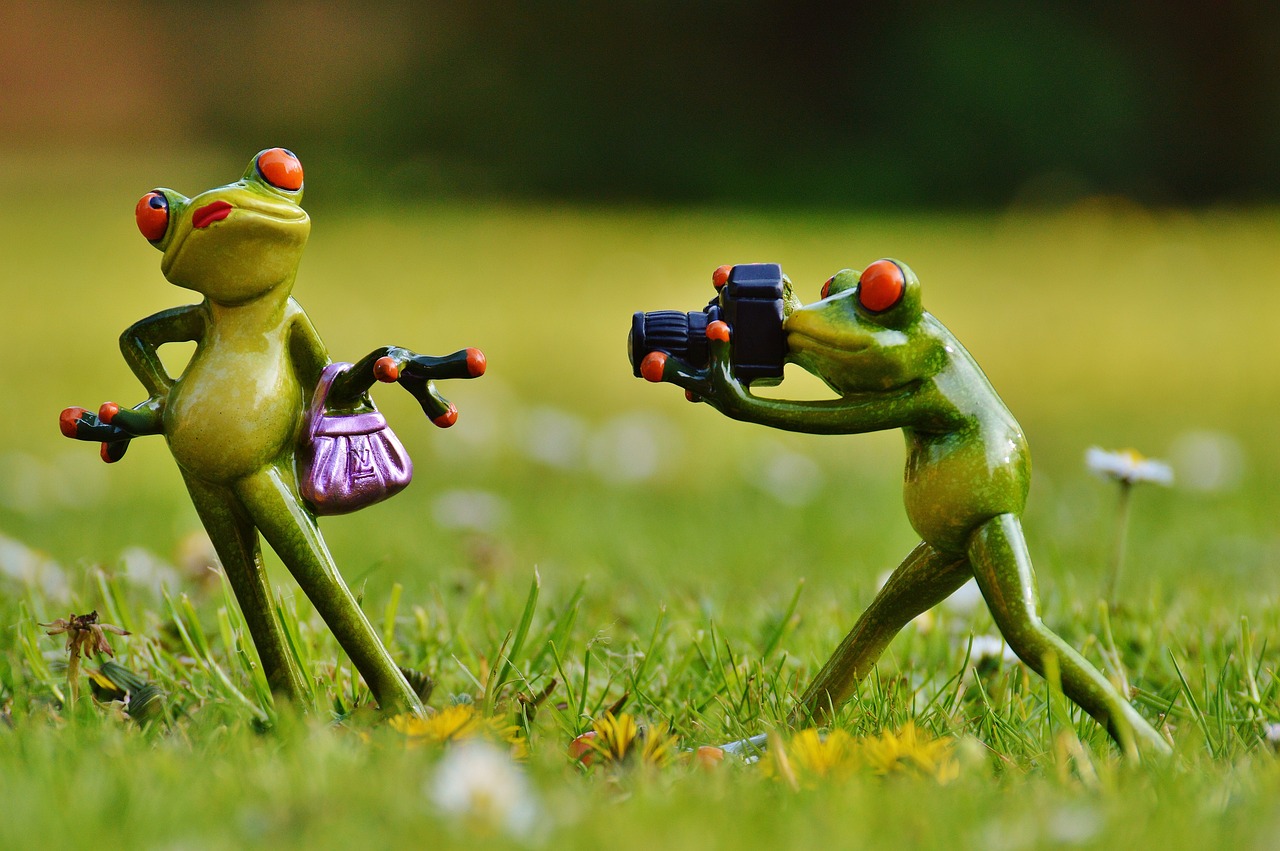
The first time I tried to pose someone for a portrait, my brain turned into mashed potatoes. I stared at my friend, camera in hand, suddenly wishing I had taken an improv class instead! Sound familiar? If posing people freaks you out, I promise you’re not alone. I’ve spent 25+ years behind the camera—and I still get a flutter in my stomach before every shoot, especially when I’m working with someone new. But here’s my tried-and-true truth: You don’t need to nail 100 Pinterest-perfect poses. What you DO need is a bit of prep, a dash of curiosity, and a game plan that feels like you.
The Art of Not Freezing: Why Mindset (and a Little Nostalgia) Beats Perfect Posing
Let’s be real—posing nerves are totally normal, especially when you’re just starting out in portrait photography. I remember my first-ever creative “win” behind the camera: my little brother, a faded red towel tied around his neck, pretending to be a superhero in our backyard. Was it technically perfect? Not even close. But the energy, the laughter, the pure joy of that moment? That’s what made the photo special. And honestly, that’s what matters most in portrait photography.
If you’re new to this, you might feel like you need to memorize a hundred Photography Posing Tips before you even think about booking a client. But here’s the thing: research shows that building confidence is actually the most important skill you can develop. Clients don’t expect you to be Annie Leibovitz—they just want to feel comfortable and look like themselves. So why put that pressure on yourself?
Here’s a little secret: even seasoned pros get nervous before a session. Those jitters? They mean you care. Embrace them. Perfectionist tendencies can actually trip you up, especially when you’re working with real people (who, let’s be honest, rarely stand perfectly still or smile on cue). Instead of aiming for robotic perfection, focus on bringing confident, relaxed energy into your sessions. That’s what helps people open up in front of the camera—and that’s where the magic happens.
When you feel yourself freezing up, try this: pause and remember your first creative win. Maybe it was a goofy family snapshot, or a candid shot of your best friend. Let that memory remind you why you picked up the camera in the first place. If nerves still creep in, break the tension with a shared laugh or a quick story. Sometimes, the best poses come from those unscripted moments when everyone forgets the camera is even there.
At the end of the day, confidence and connection matter so much more than memorizing a million poses. Practice self-compassion, let your personality shine, and trust that your energy will guide your clients to natural, authentic portraits—no superhero cape required.
Fundamentals You Actually Need: Movement, Connection, and the Power of the Triangle Rule
If you’re new to posing, it’s easy to get stuck in your head—worrying about arms, hands, and whether you’re “doing it right.” Here’s the truth: stiff arms equal stiff photos. What really matters is movement. Forget about those magazine-perfect poses for a second. The best images often come from natural, relaxed body language and genuine connection, not from memorizing a list of complicated posing techniques.
Let’s talk about Triangle Rule Posing. This is a simple but powerful trick. Picture your subject’s joints—elbows, knees, hips. If you can visualize these points forming triangles, you’ll instantly add more interest and balance to your photos. Research shows that the triangle rule creates dynamic, flattering compositions, making your images feel more alive and less static. Even if you’re brand new, just thinking in triangles can help you guide your subject into more natural, engaging shapes.
But it’s not just about where the limbs go. Body Language Posing is all about capturing real interaction and emotion. Connection always trumps perfect composition. If your subject is laughing, daydreaming, or sharing a quiet moment, that’s gold. Encourage them to move, interact, or even just shift their weight—anything to avoid that frozen, mannequin look. Movement is your best friend, especially when you’re nervous and just starting out.
One of my favorite ways to keep things flowing is to use pose families. Start with your subject seated, then have them stand, then add a little movement—like walking or spinning. This creates a natural flow and gives you a variety of shots without overthinking every single pose. It’s a game changer for beginners, and honestly, even pros rely on this approach.
And here’s a little secret: even experienced photographers are always studying how bodies move. They watch for subtle shifts in posture, the way someone’s hands rest, or how a couple leans into each other. Practicing body language in photography isn’t just about making people look good—it’s about making them look real. That’s what makes your work stand out.
Steal Like a Creative: Building Your Own Inspiration Board (But Never Copying)
If you’re anything like me, you’ve probably spent hours scrolling through Pinterest or Instagram, saving every dreamy pose you see. It’s easy to get lost in the endless stream of beautiful images, but here’s the trick: treat your Posing Inspiration Board as a launchpad, not a script. Research shows that while Pinterest Inspiration is a powerful resource for brainstorming, the real magic happens when you personalize what you see.
Let’s talk about how to actually use these inspiration boards. First, organize your saved images by session type—think solo portraits, couples, families, or even corporate headshots. This way, when you’re prepping for a shoot, you’re not sifting through a random jumble of ideas. Instead, you’ve got a mini Photography Posing Guide at your fingertips, tailored to the session you’re about to shoot.
Now, if you’re a little old-school (I definitely have my analog days), don’t be afraid to grab a notebook and sketch out stick-figure versions of your favorite poses. Sometimes, doodling while bingeing Netflix helps me remember what feels natural and what might be too stiff or forced. The point isn’t to become a master artist—it’s just about making the ideas stick in your mind.
But here’s the biggie: don’t copy poses exactly. Instead, look for what feels genuine. Is it the way someone’s hand rests on their chin? The angle of a shoulder? The relaxed, candid laugh? Adapt those elements to your own style and to your subject’s personality. Studies indicate that natural-looking portraits come from understanding the “why” behind a pose, not just the “how.”
Keep your inspiration board phone-accessible. I can’t tell you how many times I’ve snuck a peek at my saved images mid-shoot, just to refresh my memory on a subtle hand position or a unique expression. And don’t forget—these boards aren’t just for poses. Collect ideas for props, locations, and even color palettes. A mood board with tonal inspiration can totally shift the vibe of your session.
Whether you’re digital or analog, the key is to let inspiration fuel your creativity—not box you in. That’s how you build a posing style that’s truly your own.
Practice Without Pressure: Friends, Mirrors, and Awkward-Out-Loud Rehearsals
Let’s be honest—posing can feel weird, especially when you’re just starting out. But here’s the thing: you don’t need a fancy studio or a paid gig to get better. The best way to build Effective Posing Cues and boost your confidence is by practicing in low-pressure situations. That’s right, grab a friend (or your mom, or even your dog if they’ll sit still) and turn your living room into a mini studio. No makeup or fancy outfits required—just real people and real moments.
Mirrors are another secret weapon for Body Language Practice. I know it sounds a little silly, but standing in front of a full-length mirror and trying out different cues—like “soften your hands” or “tilt your chin this way”—lets you see what feels natural and what looks awkward. Sometimes, what sounds good in your head comes out robotic when you say it out loud. That’s totally normal! I always recommend narrating your cues as you practice: “Can you relax your shoulders?” or “Let’s try a gentle smile.” If you catch yourself sounding stiff, rewrite your prompts until they feel like something you’d actually say to a friend. Authenticity is key for Photography Session Preparation.
One thing I learned early on: your own body language matters just as much as your words. When you’re demonstrating a pose, take a second to notice how you’re standing or moving. Are you relaxed? Are your hands natural? Clients will mirror your energy, so practicing your own movements is just as important as practicing your directions.
And yes, you’re probably going to laugh at yourself. Maybe you’ll make a weird face in the mirror, or your friend will strike a pose that’s more “awkward flamingo” than “editorial chic.” That’s perfect. Research shows that practicing body language and posing cues in a playful, pressure-free way actually helps you remember what works—and what doesn’t—when it’s time for a real shoot.
So, don’t be afraid to get a little goofy. The more you practice, the more natural your cues will sound, and the more comfortable your clients will feel. That’s how you set yourself up for genuine, natural-looking portraits—one awkward rehearsal at a time.
Test Shoots: How Trading Places With Another Photographer Changed My Game (and Could Change Yours)
Let’s be real—when you’re just starting out, posing can feel like the most nerve-wracking part of a photo session. I used to overthink every single pose, worried I’d freeze up or run out of ideas mid-shoot. But here’s what changed everything for me: test shoots. Specifically, trading places with another photographer. If you’re looking for practical test shoot ideas that actually build confidence, this is it.
Here’s how it works: team up with a fellow beginner (or honestly, anyone willing to play along). The goal is to create a totally judgment-free zone where you both get to practice posing and being posed. One of you picks up the camera while the other steps in front of the lens. Then, swap! It’s a simple idea, but it’s packed with benefits.
Before you meet, each of you can jot down your top five posing techniques you want to try. Treat it like a mini session—nothing fancy, just a quick, focused practice. Afterward, sit down together and review the photos. This edit-and-review step? Absolute gold. You’ll see what works, what feels awkward, and what looks natural. Research shows that reflecting on test shoot results is one of the fastest ways to accelerate your learning.
What surprised me most was how much I learned about the client experience by being on the other side of the camera. Suddenly, I understood why certain directions felt confusing or why some poses just didn’t feel right. This kind of role-swapping gives you insight into what your clients might be feeling, and it seriously improves your ability to give clear, effective posing cues. Plus, it’s a safe space to experiment and make mistakes—no pressure, just progress.
Honestly, I learned more in a single hour of trading test shoots than I did in a month of watching YouTube tutorials. There’s something about hands-on, real-world practice that just sticks. You’ll discover which poses build confidence, which ones need tweaking, and how to direct with empathy and clarity. If you’re looking to up your posing game and build real confidence, give this collaborative approach a try. It’s a game changer.
Mini Pose Flows: Your Personal Toolkit (No Jumbo Memory Needed)
If you’re anything like me when I first started, the idea of memorizing a hundred different poses for a photography session felt overwhelming. But here’s the thing: you don’t need a photographic memory—you just need a Mini Pose Flow. This is your personal toolkit, a simple, flexible plan that keeps you confident and your session on track.
Let’s break it down. Before your next shoot, jot down a progression of 5–7 poses that actually feel authentic to you. Think about the basics: sitting, standing, interacting, and moving. These aren’t just random positions—they’re the foundation of a natural Photography Posing Flow. I like to work in threes: start with a static pose, move into an interaction (maybe hands in pockets or a gentle lean), and then add a bit of movement, like a twirl or a walk. This method helps you watch for natural transitions, so your clients never feel stiff or awkward.
Here’s a tip that’s saved me more than once: have your cues either memorized or written on a small pocket card. No shame in glancing at your cheat sheet! It’s all about reducing that session-day panic. For example, you might start with, “Let’s start seated,” then smoothly transition to, “Can you twirl your skirt?” or “Let’s stand and look off to the side.” These cues keep things moving and help you adapt if the vibe shifts mid-session.
What I love most about using a Mini Pose Flow is that you don’t have to use every single pose you planned. The flow is there to make sure you never run out of ideas, not to box you in. Research shows that having this structure in place reduces stress, minimizes awkward silences, and helps both you and your client feel more confident. It’s like having a safety net—just enough prep to keep things smooth, but not so much that you feel robotic.
Session preparedness is key. When you walk in with a plan, you’re free to focus on connection, expression, and capturing those natural moments that make portraits shine. Trust me, a little structure goes a long way in your Photography Session Preparation.
Energy is Everything: Positive Feedback and the Domino Effect
Let’s be honest—when you’re new to photography posing, it’s easy to get stuck in your head. But here’s something I wish I’d learned sooner: your energy is contagious. The way you speak, your body language, even your facial expressions—these all set the tone for the entire session. That’s why Positive Feedback Techniques aren’t just a nice extra; they’re a fundamental part of effective posing cues and building trust with your clients.
Start simple. Even if you’re feeling nervous inside, practice saying things like, “You look fantastic!” or “That’s perfect, let’s do one more like that!” out loud. It might feel awkward at first, but your tone instantly helps clients relax. Research shows that positive feedback encourages clients and builds their trust and ease during shoots. When you catch those little moments—like a genuine laugh or a natural pose—call it out. “That laugh was perfect—let’s do one more like that!” Suddenly, your client feels seen and celebrated, and they’ll open up even more.
Clients really do mirror your confidence. If you’re excited and supportive, they’ll feel safe to try new things. I’ve found that a gentle redirect works way better than nitpicking every detail. Instead of saying, “No, don’t do that with your hand,” try, “Let’s soften your hands a bit—gorgeous!” It’s a subtle shift, but it keeps the vibe positive and the posing flow natural.
Sometimes, people just need a little pep talk. A simple, “You’re doing great!” can make all the difference, especially if someone seems stiff or self-conscious. And when things get a little too serious, I love to say, “Let’s try a silly one—no rules!” It breaks the ice every single time and usually leads to the most authentic, natural-looking portraits.
Remember, language and energy directly impact how people pose. The more you practice these Positive Feedback Techniques, the more comfortable you’ll feel giving Effective Posing Cues. Before you know it, you’ll notice a domino effect: your confidence boosts theirs, and suddenly, everyone’s having a great time—and it shows in your photos.
Conclusion: Don’t Aim for Posing Perfection—Just Show Up Prepared (and Human)
If there’s one thing I hope you take away from all this, it’s that you don’t need to nail every single pose to have a successful photography session. In fact, some of my favorite images have come from those in-between, imperfect moments—when the laughter is real, the connection is genuine, and nobody’s worried about looking like a magazine cover. Imperfect posing is 100% acceptable; honestly, it’s what makes your work feel alive.
Here’s the real secret: Preparation is your best friend. When you walk into a shoot with a handful of poses in your back pocket and a little practice under your belt, you give yourself the freedom to improvise. You won’t freeze up or second-guess every direction you give. Instead, you’ll find yourself guiding with confidence, reading the room, and adjusting on the fly. Research shows that preparation is key to a stress-free portrait session, and that confidence you build beforehand? It absolutely ripples through the entire shoot—your clients will feel it and mirror it right back.
And remember, every photography session is a chance to get better. It’s okay to laugh at yourself, to try something new, or to have a pose totally flop. That’s how you learn. The more you practice—whether it’s with friends, a mirror, or a fellow photographer—the more natural your posing cues and body language will become. You’re not just building a skillset; you’re building confidence, and that’s what truly sets you apart as a photographer.
So, don’t stress about being a posing pro right out of the gate. Just show up prepared, stay open to the moment, and let your personality shine through. Trust yourself. You’ve got this!
Ready to keep building your confidence? Download my free Beginner Posing Guide PDF for a simple, go-to pose flow you can use at your next session. Or, if you want more tips and real-world stories, check out this week’s podcast episode. Let’s make your next photography session your most relaxed—and authentic—one yet.
TL;DR: You don’t need to memorize a million poses; you just need to build your own comfortable toolkit, practice out loud, and enter each session with a flexible mindset. Prep, don’t stress—your next client will feel every bit of confidence you bring.