
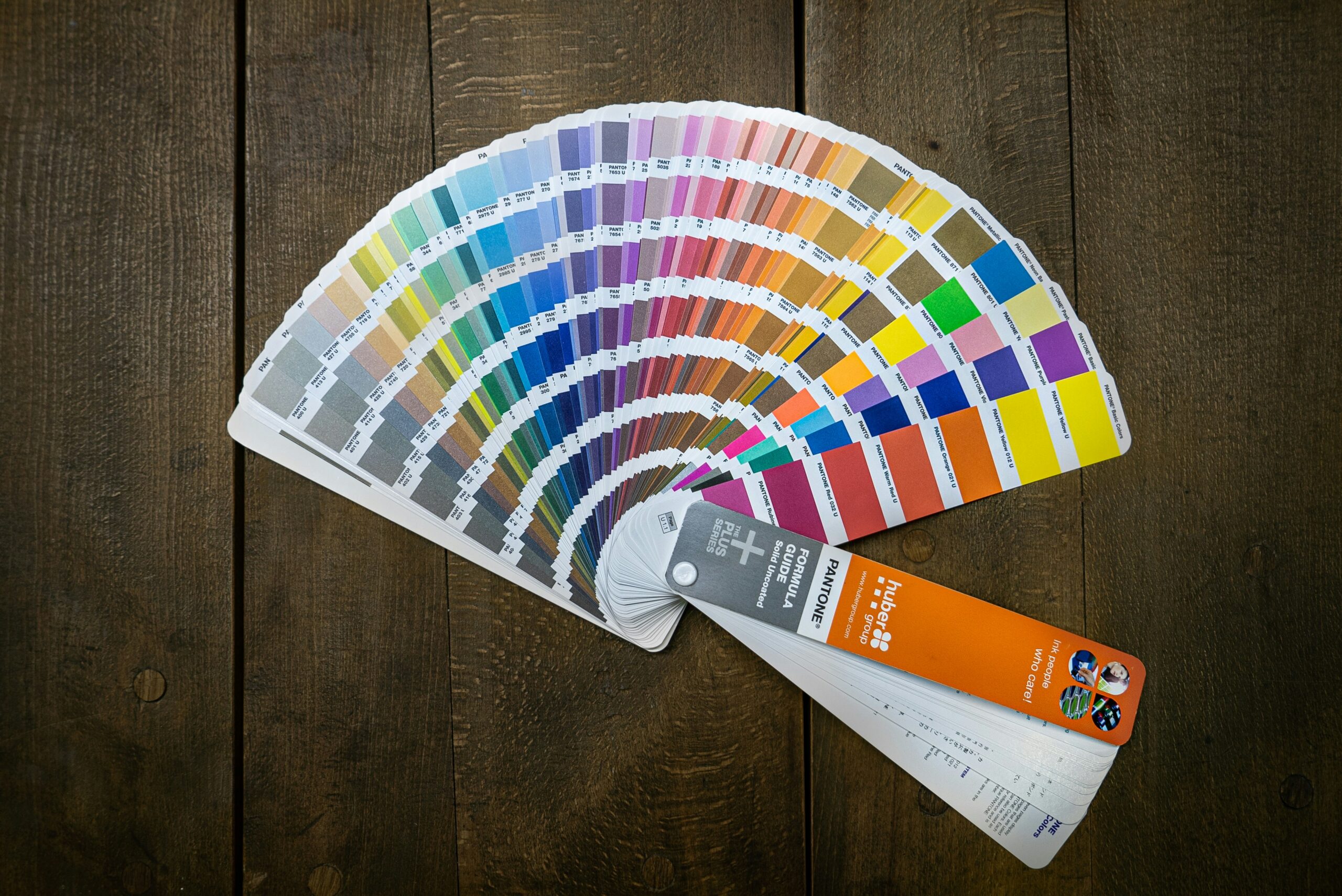
I vividly remember one of those classic overcast Minnesota days—gray skies, muted tones, and a quiet stillness in the air. Everything felt dull and lifeless, until my eye caught a single golden leaf clinging to a bare branch. Against the dreary backdrop, it practically glowed, standing out like a tiny piece of warmth in the cold. At that moment, I felt a spark of inspiration. It wasn’t just a leaf—it was a perfect example of how color can transform an image and tell a story.
That moment stuck with me. It made me realize just how much color impacts the way we feel about a photo. Ever noticed how a sunset drenched in orange and pink feels warm and nostalgic? Or how a deep blue image can create a sense of calm—or even sadness? That’s color theory in action, and it’s one of the most powerful tools photographers have to shape mood, composition, and storytelling.
So, if you’ve ever looked at a photo and wondered why it makes you feel a certain way, or if you want to use color intentionally to elevate your work, you’re in the right place. Let’s break down how color theory can take your photography from ordinary to extraordinary!
Understanding Color Theory in Photography
Ever wonder why some photos feel warm and inviting while others create a sense of mystery or drama? It all comes down to color. As a photographer with over 25 years of experience, I can tell you that understanding color theory is essential for creating striking images. It’s not just about snapping a picture; it’s about evoking emotions and telling a story through color.
What is Color Theory in Photography?
Color theory is the science and art of using colors effectively in an image. It helps us understand how colors interact and how they can influence the viewer’s perception. When I first started, I didn’t realize how powerful color could be. I remember taking a photo of a newborn wrapped in a soft blue blanket. The color not only highlighted the baby’s delicate features but also evoked a sense of calm and serenity.
The Basics of the Color Wheel
Let’s break down the color wheel. It consists of:
-
Primary Colors: Red, blue, and yellow. These colors cannot be created by mixing other colors.
-
Secondary Colors: Green, orange, and purple. These are made by mixing primary colors.
-
Tertiary Colors: These are created by mixing a primary color with a secondary color, like red-orange or blue-green.
Understanding these relationships is crucial. For instance, complementary colors—those opposite each other on the wheel—create high contrast and can make your subject pop. I often use this technique in family portraits. A bright red dress against a green background? It’s a showstopper!
How Light Affects Color Perception
Have you ever noticed how the same color can look different at various times of the day? Light plays a huge role in this. During the golden hour, the warm light can make colors appear richer and more vibrant. I love shooting during this time, especially for maternity sessions. The soft, golden hues wrap around the subjects, creating a magical feel.
On the other hand, midday light can wash out colors, making them appear flat. This is why I often avoid harsh sunlight for outdoor shoots. Instead, I prefer the softer light of early morning or late afternoon. It’s all about finding the right conditions to enhance the colors in your images.
Examples of Color Variations Throughout the Day
Let’s explore how color changes with the time of day:
-
Morning Light: Soft and cool tones. Perfect for serene landscapes or gentle portraits.
-
Midday Light: Bright and harsh. Colors can appear washed out, so it’s best to seek shade.
-
Golden Hour: Warm and inviting. This is when colors come alive, making it ideal for portraits and outdoor scenes.
-
Blue Hour: The time just after sunset. It casts a cool, moody light that can create dramatic effects in your images.
Each of these times offers unique opportunities to play with color. I remember a family session I did during the blue hour. The deep blues and purples created a stunning backdrop, making the family’s warm colors stand out beautifully.
As a Minnesota-based newborn, family, and maternity photographer, color isn’t just something I capture—it’s something I carefully consider in every image I create. Whether it’s the soft, pastel hues in a newborn session that evoke warmth and innocence, or the rich, golden tones of an autumn family shoot that bring out a sense of nostalgia, color has the power to shape the mood, tell a story, and even connect the viewer to a deeper emotion.
I’ve seen firsthand how a subtle shift in tones can completely change the feel of an image. A cool, blue-tinted background can make a maternity portrait feel serene and timeless, while warm, golden-hour light wraps a family in a glow that radiates love and closeness. Even in the quietest black-and-white images, the absence of color plays a role, emphasizing emotion through contrast and tone.
So, the next time you pick up your camera, don’t just focus on the subject—think about the colors you’re using to enhance the moment. Ask yourself: What do I want this image to say? How do I want someone to feel when they see it? Color isn’t just part of the composition—it’s a tool to create emotion, depth, and impact in your photography. Use it intentionally, and you’ll start to see your images in a whole new way.
The Magic of Color Harmonies
As a photographer with over 25 years of experience, I’ve learned that color is not just a visual element; it’s a powerful tool that can evoke emotions, set moods, and even tell stories. Have you ever looked at a photo and felt instantly drawn to it? That’s often the magic of color harmonies at work. Let’s dive into how different color combinations can transform your images.
1. Complementary Colors: High Drama and Contrast
Complementary colors are those that sit opposite each other on the color wheel. Think blue and orange or red and green. When paired together, they create a striking contrast that can make your subject pop. This high drama can be incredibly effective in photography.
For instance, I once captured a stunning image of a little girl in a bright orange dress against a deep blue sky. The colors clashed in the best way possible, drawing the viewer’s eye directly to her. It was a moment of pure joy, and the color combination amplified that feeling.
Using complementary colors can add excitement to your work. But be careful! Too much contrast can overwhelm the viewer. Balance is key.
2. Analogous Colors: Creating a Sense of Calm
Analogous colors are those that are next to each other on the color wheel. For example, yellow, orange, and red create a warm palette that feels harmonious and natural. These colors work beautifully together, creating a soothing effect.
I often use analogous colors in my family portraits. Imagine a serene autumn day with a family dressed in shades of orange, yellow, and brown. The colors blend seamlessly with the fall foliage, creating a cohesive and calming image. It’s like a warm hug for the eyes!
When you want to evoke a sense of peace or tranquility, think about using analogous colors. They can make your images feel more unified and inviting.
3. Monochromatic Colors: Achieving Elegance and Simplicity
Monochromatic colors involve using variations of a single color. This approach can create a minimalist and elegant look. For example, a series of images in different shades of blue can convey a moody, introspective vibe.
In my newborn photography, I often use soft pastel colors. A series of images featuring a baby in various shades of pink or blue can create a dreamy, cohesive collection. It’s simple yet sophisticated. Monochromatic schemes can also help to highlight textures and details without the distraction of clashing colors.
4. Triadic Colors: Vibrancy and Energy in Compositions
Triadic colors are three colors that are evenly spaced on the color wheel. They create a vibrant and energetic composition. Think of the classic combination of red, blue, and yellow. This approach can bring a playful and dynamic feel to your images.
When I photograph children, I love to incorporate triadic colors. Imagine a bright, colorful playground scene where kids are dressed in red, blue, and yellow. The energy is palpable, and the colors enhance the joy of the moment. It’s a celebration of life and fun!
Triadic colors can be a bit tricky, though. Too much vibrancy can lead to chaos. It’s essential to maintain balance and ensure that the colors complement rather than compete with each other.
In my experience, understanding color harmonies has transformed my photography. Whether I’m capturing the delicate features of a newborn or the joyful chaos of a family gathering, the right colors can elevate the image. So, next time you’re out shooting, think about how color can enhance your composition. It’s a game-changer!
Emotional Resonance of Colors
With over 25 years behind the lens, I’ve learned that color is more than just what we see—it’s what we feel. It has the power to stir emotions, shape perceptions, and bring depth to an image in ways we don’t always realize. Color isn’t just about aesthetics; it’s a silent storyteller that can make a photo feel warm and inviting, cool and moody, or bold and energetic. Throughout my work, I’ve used color intentionally to enhance emotion, create atmosphere, and guide the viewer’s eye. Let’s explore how different colors influence the way we experience images—and how you can use them to elevate your own photography.
1. Warm Colors: Energy and Passion
Warm colors like red, orange, and yellow radiate energy and passion. They can ignite excitement and evoke feelings of warmth. I often use these colors in action shots or lively family gatherings. For instance, during a sunset shoot, the vibrant orange hues can create an atmosphere of joy and warmth. It’s like wrapping your subjects in a cozy blanket of light.
Have you ever noticed how a bright red dress can make a photograph pop? It draws the eye immediately. I remember a session with a family where the kids wore bright, warm colors. The images turned out to be filled with life and energy, capturing the essence of their playful spirit. Warm colors are best for:
-
Sunrise and sunset photography
-
Street photography
-
Action shots
2. Cool Colors: Calmness and Serenity
On the flip side, cool colors like blue, green, and purple evoke calmness and serenity. They are perfect for landscapes and moody portraits. I love capturing serene moments in nature, especially during the blue hour when the light is soft and ethereal. It’s a magical time that can transform an ordinary scene into something breathtaking.
For example, I once photographed a family by a lake at dusk. The cool blues of the water and the soft greens of the trees created a peaceful backdrop. The images conveyed a sense of tranquility, making them perfect for their home. Cool colors are ideal for:
-
Landscape photography
-
Moody portraits
-
Nighttime shots
3. Neutral Colors: Timelessness and Sophistication
Neutral colors like black, white, gray, and brown bring a sense of timelessness and sophistication. They are often used in impactful portraits, allowing the subject to shine without distraction. I find that neutral tones can elevate an image, giving it a classic feel.
During a recent maternity shoot, I dressed the mother-to-be in soft whites and grays. The simplicity of the colors allowed the focus to remain on her radiant glow. The resulting portraits were not only beautiful but also timeless. Neutral colors work well for:
-
Black and white photography
-
Documentary photography
-
Impactful portraits
4. Examples from My Portfolio
Throughout my career, I’ve captured countless moments that showcase the emotional narratives created through color. One of my favorite projects involved photographing a family in a vibrant autumn setting. The warm oranges and yellows of the leaves complemented the family’s outfits perfectly. Each image told a story of joy and togetherness.
Another memorable session was a winter wonderland shoot. The cool blues and whites of the snow created a serene backdrop, allowing the family’s laughter and love to shine through. These experiences remind me of the power of color in photography. It’s not just about what you see; it’s about what you feel.
In conclusion, understanding the emotional resonance of colors can transform your photography. Whether it’s the energy of warm colors, the calmness of cool tones, or the sophistication of neutrals, each color has a story to tell. So, next time you’re out shooting, think about how color plays a role in your composition and mood. It might just change the way you see the world through your lens.
Applying Color Theory: Practical Tips
Color is more than just a visual element; it’s a powerful tool in photography. As a photographer with over 25 years of experience, I’ve learned that understanding color theory can significantly enhance the emotional impact of my images. Let’s dive into some practical tips on how to apply color theory effectively in your photography.
1. Use Saturated Colors to Direct Viewer’s Focus
Have you ever noticed how certain colors can pull you in? Bright, saturated colors can act like magnets for the viewer’s eye. When I’m shooting newborns or family portraits, I often choose outfits in vibrant colors. This helps the subjects stand out against softer backgrounds. For instance, a bright red dress on a child can draw attention immediately. It’s all about creating a focal point.
Think about it: when you see a photo with a splash of color, doesn’t it make you want to look closer? That’s the magic of saturation. It directs attention and creates a hierarchy within the image. So, next time you’re out shooting, consider how you can use saturated colors to guide your viewer’s gaze.
2. Adjust White Balance Based on Lighting Conditions
White balance is crucial for achieving accurate colors in your photos. Different lighting conditions can drastically change how colors appear. For example, during golden hour, I often set my white balance to a warmer tone. This enhances the natural glow of the sunlight, giving my images a cozy feel. Conversely, when shooting in the shade or during overcast days, I opt for cooler settings to avoid that yellow tint that can creep in.
Have you ever taken a photo that looked great in person but fell flat on camera? That’s often due to incorrect white balance. It’s like trying to paint a masterpiece with the wrong colors. Adjusting your white balance can transform your images from dull to vibrant. So, don’t forget to check your settings!
3. Tips for Post-Processing: Enhancing and Grading Colors
Post-processing is where the magic happens. It’s your chance to enhance the colors you’ve captured. I love using Lightroom for this. One of my go-to techniques is enhancing complementary colors. For example, if I have a subject in a blue outfit, I’ll boost the oranges in the background. This creates a striking contrast that makes the image pop.
Another tip is to use split toning. It allows you to add different hues to the highlights and shadows. This technique can give your images a unique mood. I remember a shoot where I applied a warm tone to the highlights and a cool tone to the shadows. The result was a beautifully balanced image that felt both inviting and mysterious.
4. A Personal Account of How These Techniques Refined My Shoots
Let me share a story. A few years ago, I had a maternity shoot in a beautiful park. The flowers were in full bloom, creating a vibrant backdrop. I dressed my client in a soft pastel gown, which contrasted beautifully with the saturated colors of the flowers. I adjusted my white balance to capture the warm sunlight filtering through the trees. The result? A series of images that felt alive and full of emotion.
Using color theory not only refined my technical skills but also deepened my connection with my subjects. I began to understand how colors could evoke feelings. For instance, warm colors like reds and oranges can create excitement, while cool colors like blues and greens can evoke calmness. This knowledge has transformed the way I approach each shoot.
Applying color theory in photography is a game-changer. By using saturated colors to direct focus, adjusting white balance for accurate representation, and enhancing colors in post-processing, you can elevate your images. Remember, every color tells a story. What story will your colors tell?
Avoiding Color Pitfalls
With over 25 years of experience behind the camera, I’ve come to see color as more than just something we capture—it’s something we feel. It has the ability to shape emotions, set the tone, and bring a story to life. But just like any powerful tool, color needs to be used with intention—otherwise, it can work against your image instead of enhancing it. Today, let’s explore some common mistakes photographers make with color and, more importantly, how to avoid them to create stronger, more impactful photos.
1. Over-Saturation Can Detract from a Photo’s Essence
Have you ever looked at a photo and felt overwhelmed by the brightness? That’s the danger of over-saturation. While vibrant colors can grab attention, too much saturation can overshadow the subject. It can make the photo feel artificial, almost like a cartoon.
In my own work, I strive for balance. For instance, when photographing a newborn, I want the soft, delicate colors to shine through. Over-saturating those pastel tones can make the image feel harsh. Instead, I focus on enhancing the natural colors, ensuring they remain true to life. This approach keeps the essence of the moment intact.
2. Clashing Colors Lead to Chaos Rather Than Beauty
Imagine walking into a room painted in bright red and green. It’s jarring, right? The same principle applies to photography. Clashing colors can create a visual chaos that distracts from the subject. Instead of drawing the viewer in, it pushes them away.
When I’m out shooting family portraits, I often advise my clients on color coordination. I suggest complementary colors that work harmoniously together. For example, a soft blue dress with a warm beige background creates a soothing effect. It’s all about creating a visual flow that feels inviting.
3. Neglecting Color Psychology Can Dilute Your Message
Colors carry meanings. For example, red can evoke passion, while blue often represents calmness. Ignoring these associations can dilute the message you want to convey. Think about it: What do you want your audience to feel when they see your work?
In my photography, I often use color psychology to enhance the emotions I want to capture. For maternity shoots, I might choose soft pinks and whites to convey tenderness and love. Conversely, for family sessions, I might opt for earthy tones that evoke warmth and connection. Each color choice is intentional, aiming to resonate with the viewer.
4. Background Color Coordination for a Cohesive Look
The background of a photo is just as important as the subject. A busy or conflicting background can distract from what you want to highlight. It’s crucial to coordinate background colors with your subject to create a cohesive look.
When I’m shooting in a park, I often look for spots where the background complements the colors of my subjects’ outfits. For instance, if a family is wearing warm autumn colors, I’ll seek out a backdrop of golden leaves. This not only enhances the overall aesthetic but also draws the viewer’s eye to the family, creating a harmonious image.
Final Thoughts on Color in Photography
Color is a fundamental aspect of photography that can make or break an image. By avoiding these common pitfalls—over-saturation, clashing colors, neglecting color psychology, and poor background coordination—you can elevate your work. Remember, it’s all about creating a visual story that resonates with your audience.
So next time you’re behind the camera, take a moment to consider your color choices. How can they enhance your message? How can they draw the viewer in? With a little thought and intention, you can use color to transform your photography into something truly special.
A Photographer’s Color Journey: My Personal Insights
Color is more than just a visual element in photography; it’s a powerful tool that can evoke emotions, tell stories, and create memorable images. As a photographer with over 25 years of experience, I’ve had my fair share of colorful moments that have shaped my understanding of this essential aspect of my craft. Let me take you on a journey through some of these experiences.
Memorable Shoots That Highlight Color’s Role
One shoot that stands out in my memory was a vibrant autumn family portrait session. The trees were ablaze with reds, oranges, and yellows. I remember thinking, “How can I capture this beauty without overwhelming the subjects?” I decided to use the warm colors of the foliage as a backdrop, allowing the family to wear neutral tones. This choice created a beautiful contrast, making them pop against the colorful landscape. The result? A stunning collection of images that felt both warm and inviting.
Another memorable moment was during a maternity shoot at a sunflower field. The bright yellow flowers surrounded the mother-to-be, creating a joyful and radiant atmosphere. I used a wide aperture to blur the background slightly, allowing the sunflowers to frame her beautifully. The color yellow symbolizes happiness and warmth, and it perfectly captured the essence of motherhood. Looking back, I realize how much the colors in that scene contributed to the overall emotion of the photographs.
Key Lessons Learned Over My 25 Years in Photography
-
Understand Color Theory: Knowing how colors interact can elevate your photography. For instance, complementary colors can create striking contrasts, while analogous colors can evoke harmony.
-
Embrace Natural Light: The time of day can dramatically change how colors appear. I’ve learned to shoot during the golden hour for softer, warmer tones.
-
Experiment: Don’t be afraid to try new color combinations. Some of my best work has come from unexpected choices.
These lessons have been invaluable in shaping my approach to color in photography. It’s not just about what looks good; it’s about what feels right.
Influences from Other Photographers
Throughout my career, I’ve been inspired by many talented photographers. One that comes to mind is the renowned portrait photographer, Annie Leibovitz. Her use of color to convey emotion is something I strive to emulate. I remember a specific photograph of a celebrity surrounded by rich, deep colors. It drew me in and made me feel something. That’s the power of color!
Another influence has been my peers in the Minnesota photography community. We often share tips and tricks, and I’ve learned so much about color grading and post-processing from them. Their insights have helped me refine my own style and approach to color.
Invitation for Readers to Share Their Own Stories About Color
Now, I want to hear from you! How has color played a role in your photography? Have you had any memorable shoots where color made all the difference? I invite you to share your stories in the comments below. Let’s create a vibrant community where we can learn from each other’s experiences.
Color is a journey, and I’m still learning every day. Whether it’s through a breathtaking sunset or a simple family portrait, the way we use color can transform our images and evoke powerful emotions. So, let’s keep exploring this beautiful spectrum together!
Call to Action: Embrace Color in Your Photography
Color is more than just a visual element; it’s a powerful storytelling tool. Every time I pick up my camera, I think about how color can change the mood of an image. It can evoke emotions, create depth, and even guide the viewer’s eye. Have you ever noticed how a vibrant sunset can make you feel warm and nostalgic? Or how a cool, blue-toned photograph can evoke a sense of calm? That’s the magic of color theory in photography.
Experiment with Color Theory
Next time you head out for a shoot, I encourage you to experiment with color theory. It’s not just about knowing which colors look good together; it’s about understanding how they interact and influence emotions. Try using complementary colors, like blue and orange, to create striking contrasts. Or explore analogous colors for a more harmonious feel. You might be surprised at how a simple change in your color palette can transform your images.
Consider the Emotional Impact
When I photograph families or newborns, I always think about the emotional impact of the colors I choose. Warm colors, like reds and yellows, can evoke feelings of joy and energy, making them perfect for playful family portraits. On the other hand, cool colors, such as blues and greens, can create a serene atmosphere, ideal for peaceful newborn shots. What do you want your audience to feel when they see your work? Think about that as you frame your shots.
Learn Color Grading Techniques
If you’re looking to take your color game to the next level, I invite you to check out my courses on color grading techniques. In these courses, I dive deep into how to enhance your images in post-processing. You’ll learn how to adjust saturation, play with white balance, and even use split toning to create stunning effects. Imagine being able to transform a good photo into a great one just by mastering color grading! It’s a skill that can elevate your photography significantly.
Share Your Color Stories
Photography is a personal journey, and I’d love to hear your color stories. What colors resonate with you? How do you use color in your photography? Maybe you have a favorite color palette that you always gravitate towards. Or perhaps you’ve had an experience where color played a crucial role in your work. I encourage you to connect with me and share your stories. Let’s inspire each other to embrace color in our photography!
“Color is the keyboard, the eyes are the harmonies, the soul is the piano with many strings.” – Wassily Kandinsky
Embracing color in your photography can open up a world of creative possibilities. It’s not just about making your images look good; it’s about conveying emotions and telling stories. Whether you’re shooting a vibrant family gathering or a serene newborn session, remember to think about the colors you use. Experiment with different color theories, consider the emotional impact of your choices, and don’t hesitate to learn new techniques to enhance your work. I’ve seen firsthand how powerful color can be, and I can’t wait to see how you incorporate it into your photography. Let’s make our images not just seen, but felt. Happy shooting!
TL;DR: Mastering color theory can elevate your photography by enhancing emotional depth and visual appeal—consider the colors in your compositions thoughtfully.