
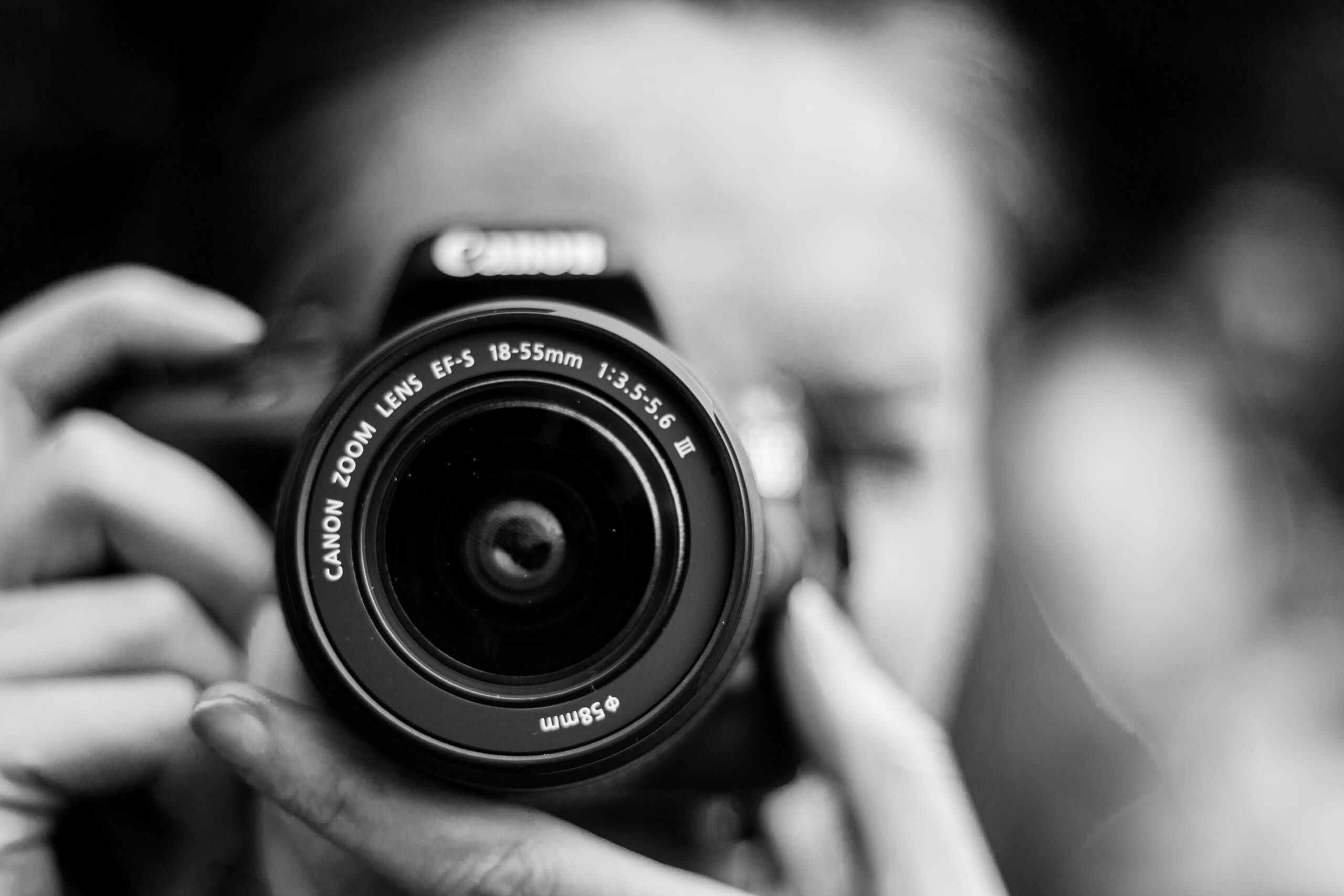
This feeling shows up for almost every photographer at some point.
You look at your images and something feels off. Not technically wrong necessarily — but not what you wanted. Not what you saw in your head when you pressed the shutter. Not as good as the work you see from photographers you admire. Just not good enough.
It is one of the most common experiences in photography and one of the least talked about honestly. Instead of addressing it directly, most advice skips past it toward techniques and tips that assume the problem is technical. But the feeling that your work is not good enough is rarely solved by a technique. It requires something different.
Here is what is actually happening and what actually helps.
The Gap Is Normal — But It Needs to Be Understood Correctly
There is a gap in creative work between what you can see and what you can currently make. You have developed enough of an eye to recognize good photography when you see it. You have not yet developed enough of a practice to consistently produce it.
That gap is not a sign that you are not good enough. It is a sign that you are developing. The gap exists precisely because your eye is ahead of your technical and decision-making fluency. If you could not see the gap, you would not be growing.
But understanding the gap correctly matters. Because there are two very different ways to interpret it.
One interpretation is: I am not good enough yet and I might never be. That interpretation produces paralysis. It makes you hesitant to share your work, hesitant to practice, hesitant to invest in your development because the outcome feels uncertain.
The other interpretation is: my eye is ahead of where my practice currently is and the gap closes through deliberate work. That interpretation produces direction. It tells you what to do instead of making you question whether to continue.
The gap is the same in both interpretations. What changes is what you do with it.
Comparison Is Costing You More Than You Realize
Most of the time when photographers feel like their work is not good enough, they are measuring it against something external. Someone else’s portfolio. Images in their feed. The work of photographers who are five or ten years further into their practice.
That comparison is not useful information. It is noise.
The photographer whose work you are comparing yours to has a different starting point, a different amount of time invested, different equipment, different subjects, different conditions. You are not seeing their learning curve. You are seeing where they arrived after years of exactly the kind of uncertainty you are feeling right now.
The only comparison that produces useful information is comparison to your own earlier work. Where were you six months ago? What decisions are you making now that you could not make then? What do you see now that you did not see before?
That comparison shows you real growth. The other one shows you a gap that will always exist because there will always be photographers further along than you are.
What Good Enough Actually Means
Good enough is not a fixed standard. It shifts as you develop, which is why chasing it is exhausting. You reach one level and good enough moves. You reach the next level and it moves again.
A more useful question than is this good enough is what is this image actually doing. Does it communicate something? Does it capture a moment that mattered? Does it show a quality of light that interested you? Does it represent a decision you made deliberately rather than accidentally?
An image that does any of those things has value regardless of whether it matches the technically polished work you see in other people’s portfolios. Value in photography is not only technical. It is also intentional, emotional, and personal.
That does not mean technical quality does not matter. It does. But it means that the feeling of not good enough is not always pointing at a technical problem. Sometimes it is pointing at a confidence problem. And confidence problems are not solved by better technique.
What Actually Helps
Print your images. Physically. Even small prints. There is something about seeing your work printed rather than glowing on a screen that changes how you evaluate it. Images that looked mediocre on screen often have more presence on paper. The act of selecting images to print also forces you to make decisions about what you actually value in your own work.
Show your work to someone whose perspective you trust. Not someone who will tell you everything is great — someone who will look at it honestly and tell you what they see. That honest response is more valuable than private doubt and almost always more accurate too.
Keep a folder of your favorite images from each month. Not your best technically — your favorites. The ones that feel most like you. Over time, that folder shows you something that individual sessions cannot: a developing voice, a consistent set of things you care about photographing, a visual identity that is distinctly yours even if it is still forming.
And take the feeling seriously without letting it stop you. The feeling that your work is not good enough means your eye is working. It means you can see the difference between where you are and where you want to be. That is not a problem. That is the engine of improvement. The photographers who never feel this way are usually the ones who have stopped looking carefully at their own work.
When the Feeling Persists
If the feeling that your work is not good enough has been present for a long time — if it is not moving despite consistent practice — it is worth asking whether you are getting the right kind of feedback on your work.
Private doubt without outside perspective tends to compound. You are evaluating your work with the same eye that made it, which means you are seeing it from inside the same assumptions and habits that produced it. Someone outside can see things you cannot. They can tell you specifically what is working and what is not, which turns a vague feeling into a concrete direction.
That is a lot of what mentoring conversations look like in practice — not cheerleading, but honest, specific feedback on your actual work that gives you something to move toward rather than something to feel bad about.
The feeling that your photos are not good enough is one of the most honest feelings in photography. It means you care. It means you are paying attention. It just needs to be pointed in the right direction.