
Digital photography is a genuinely excellent tool. I use it. I teach it. I am not here to argue against it.
But I have been doing this for over twenty-five years, and I started in film, and there are things that film taught me about photography that I simply did not learn from digital. Not because I wasn’t trying. Because the technology itself removes the conditions that make those lessons possible.
When my students pick up a film camera — sometimes for the first time in their lives — I watch something change in how they approach a scene. It happens pretty consistently and pretty quickly. They slow down. They get deliberate. They stop firing and start looking.
Here is what is actually happening when that shift occurs, and why digital, for all its power, doesn’t create the same conditions.
Film Teaches You That Frames Have Weight
When you have a digital card with space for two thousand images, each individual frame costs you almost nothing. You can fire continuously through a scene and sort later. If ninety percent of it is unusable, who cares — the keepers are in there somewhere.
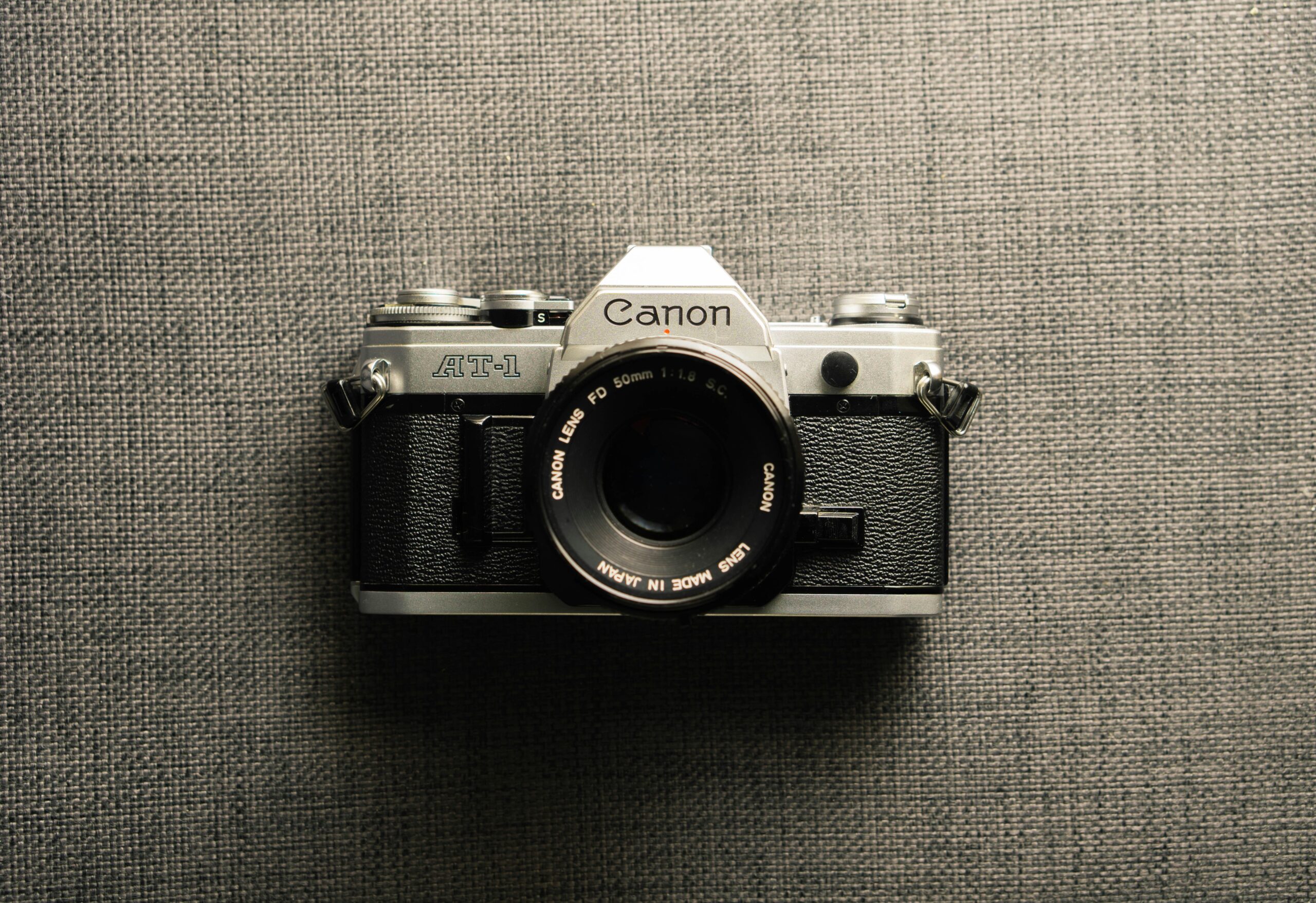
Film gives you thirty-six frames. Sometimes twenty-four. Each one costs you money to shoot and money to develop. That changes your relationship to the shutter button in a way that nothing digital can replicate.
You start asking, before you press, whether this is worth a frame. Not in a precious or anxious way — in a thoughtful way. Is this the moment? Is this the angle? Is the light doing what I want it to do? Those questions, asked consistently because the economics of film demand it, become habits. And those habits come back with you into digital work.
I have seen students go back to their digital cameras after a few rolls of film and the change in their shooting is visible. They are not spraying. They are deciding. Film installed a decision-making habit that the digital environment never created the conditions for.
Film Teaches You to Read Light Before You Shoot
In digital photography, you can adjust after the fact. Underexposed? Lift it in Lightroom. Wrong white balance? Fix it in post. The editing suite is a safety net that is always available, and knowing it is there changes how carefully you look before you press the shutter.
Film is less forgiving. It has a latitude — a range of exposure it can handle gracefully — but it is narrower than what a modern raw file can recover from. If you blow the highlights on film, they are gone. If you dramatically underexpose a shadow-heavy scene, the grain becomes overwhelming. You have to get it closer in camera.
That necessity forces a level of light-reading that is incredibly valuable. You learn to actually look at light before you shoot rather than assuming you will deal with it later. You learn to see the difference between light that is workable and light that is going to fight you. You learn to position your subject relative to the light source because you cannot fix a bad light decision in post the way you can with digital.
Every one of those skills transfers directly. When you go back to digital, you are no longer relying on the editing suite as a crutch. You are making better decisions at the camera because film made you practice them.
Film Teaches You Patience With the Process
One of the things that frustrates photographers working digitally — especially early on — is the expectation that results should be immediate. You shoot, you review, you judge. If it was not good, you try again. The feedback loop is instant.
Film breaks that loop. You shoot a roll, you send it to the lab, and you wait. Days, sometimes a week. When the scans come back, you are looking at images you made under conditions you now have to remember rather than immediately re-check. The experience of receiving developed film is genuinely different from downloading a card.
That delay teaches patience in a way that is hard to manufacture otherwise. It also teaches you to commit. When you press the shutter on a film camera, that is the decision. There is no chimping, no immediate review, no chance to do another take because you can see on the screen that the last one did not land. You make your best judgment and you trust it.
That trust is something I wish photographers developed earlier. The habit of second-guessing every frame by reviewing it immediately after taking it is one of the things that keeps photographers stuck in reactive mode instead of developing real confidence in their own eye.
Film Teaches You That Imperfection Has Value
We are so conditioned by digital perfection — noise-free images at high ISO, perfectly corrected colors, AI tools that remove distractions with one click — that imperfection has started to feel like failure.
Film reframes that completely.
The grain in a film photograph is not a flaw. It is a quality. It is evidence that light hit silver halide crystals and chemistry happened and something real was made. The slight color shift in an older emulsion, the vignetting at the corners of a fast lens, the blown-out highlight that rolled off beautifully instead of clipping hard — these are not mistakes to be fixed. They are characteristics to be understood and sometimes sought.
When you start seeing imperfection as information rather than error, something changes in how you photograph. You stop chasing the technically perfect image and start chasing the emotionally right one. Those are not always the same thing, and the photographers who understand that distinction make more interesting work.
Film Teaches You What Your Eye Actually Sees
Here is something I say to my students. The camera is your paintbrush. It is your tool for showing the world how you see it. But you have to understand your tool well enough to make it meet your eye where you actually see.
Film, because it demands so much more deliberate decision-making, accelerates the process of understanding what your eye is actually going for. You make a decision, you wait for the result, and you see whether the decision produced the image you had in your head. When it didn’t, you have to think about why — not just look at an instant preview and reshoot.
That thinking is where photographic seeing develops. Not in the reviewing, but in the gap between intention and result and the honest analysis of what happened in between.
I am not saying digital cannot teach you these things. It can. But film creates the conditions for these lessons more efficiently because it removes the shortcuts. You cannot rely on volume. You cannot rely on instant correction. You have to see, decide, and commit. Over and over, roll after roll.
If you want to try it and you are not sure where to start — what film to buy, what camera to use, how to get a roll developed without overthinking it — the free 35mm Starter Checklist gives you a clear, simple starting point with no fluff. It is the practical foundation before the creative exploration begins.
Film teaches you photography in a specific way. Not better than digital in every sense. But differently, in ways that stay with you.
That is why it is worth trying.