
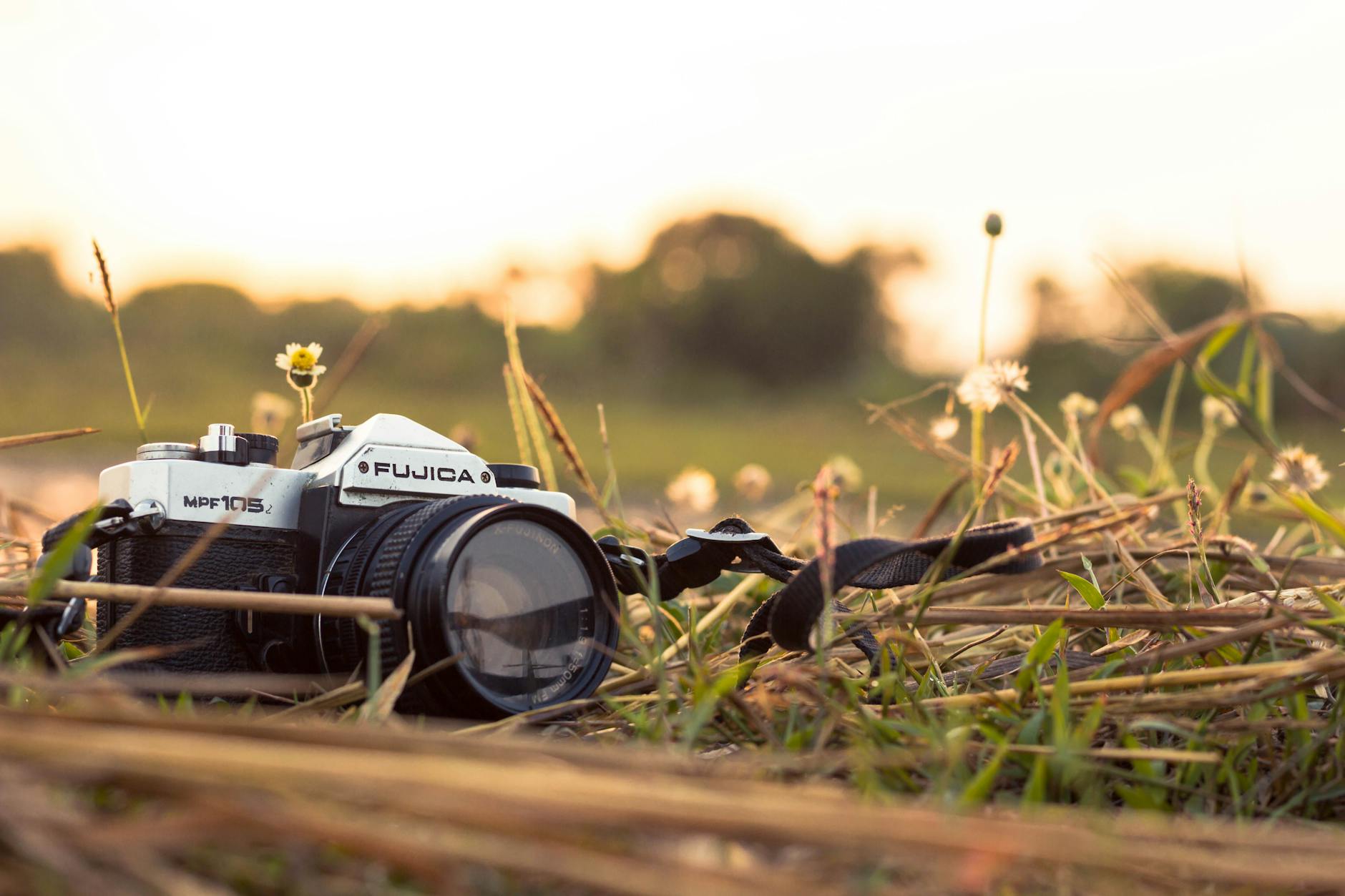
One of the quiet frustrations of learning photography is that you want to practice — but you don’t know how to start.
You have the camera.
You have the time, at least occasionally.
You even have the motivation.
But when it comes time to actually go out and shoot, your mind goes blank.
Nothing feels important enough.
Nothing feels “worthy” of practice.
And somehow, that makes doing nothing feel easier than doing something awkward.
This is incredibly common, especially for beginners. And it’s not because you lack ideas or creativity.
It’s because no one really explains what practice is supposed to look like in photography.
Why “Just Go Shoot” Doesn’t Actually Help
Advice like “just go shoot” sounds encouraging, but it’s often paralyzing.
When everything is an option, nothing feels like the right option.
Photography practice without direction can feel pointless. You take photos, look at them later, and don’t quite know what to learn from them. There’s no feedback loop. No sense of progress. Just a growing pile of images and the nagging thought that you’re not improving fast enough.
That’s not a motivation problem.
That’s a structure problem.
Practice works best when it has purpose, even if that purpose is simple.
What Practice Is Actually For
Practice in photography isn’t about producing good photos.
That sounds counterintuitive, especially in a visual medium, but it’s important.
Practice is about:
Building familiarity
Creating muscle memory
Understanding cause and effect
Learning how your camera and light behave together
When beginners treat practice as a performance — something that needs to result in strong images — it becomes stressful. Every frame carries pressure. Every mistake feels like wasted time.
But when practice is treated as exploration, the pressure lifts.
You’re not trying to prove anything.
You’re trying to notice something.
Why Not Knowing What to Shoot Is a Good Sign
If you don’t know what to shoot, it often means you’re thinking beyond obvious subjects.
That’s actually progress.
Early on, many photographers latch onto specific ideas: sunsets, pets, flowers, cityscapes. Eventually, those ideas stop feeling satisfying. You want your photos to mean something, even if you’re not sure what yet.
That uncertainty is uncomfortable — but it’s also the moment where learning can deepen.
The mistake is assuming you need better ideas, when what you really need is a different approach to practice.
Practice Works Better With Constraints
One of the most effective ways to practice photography is to intentionally narrow your focus.
When you remove options, clarity appears.
Instead of asking, “What should I shoot?”
You ask something smaller, like:
“What happens when I pay attention to light today?”
“How does my camera respond in one location?”
“What changes if I stay with one subject longer?”
Constraints turn practice from guessing into observing.
They give your brain something specific to engage with, without demanding creativity on demand.
Everyday Environments Are Better Than “Interesting” Ones
Many photographers wait for interesting places or special moments to practice.
But everyday environments are often better teachers.
Familiar spaces remove distraction. You’re not overwhelmed by novelty. You can focus on how light moves through a room, how shadows fall, how angles change perception.
When you practice in ordinary places, improvement becomes easier to spot. You can return to the same space again and again and notice differences over time.
That repetition builds confidence quietly.
Why Consistency Matters More Than Inspiration
Inspiration is unpredictable. Practice shouldn’t be.
Waiting to feel inspired before practicing photography often leads to long gaps, followed by bursts of activity that don’t quite stick.
Consistency doesn’t require intensity. It requires regular contact with the process.
Even short, low-pressure practice sessions build familiarity. They reduce hesitation. They make picking up the camera feel normal instead of momentous.
Over time, consistency creates momentum — and momentum creates confidence.
Measuring Progress Without Killing Motivation
One of the hardest parts of practice is knowing whether it’s working.
Beginners often judge progress by asking, “Do my photos look better?”
That question is too broad and too emotionally loaded.
A better question is:
“Do I understand more than I did before?”
Progress might show up as:
Recognizing why a photo didn’t work
Anticipating a lighting change
Adjusting settings with less hesitation
Feeling calmer while shooting
These changes are subtle, but they matter. They’re signs that learning is happening beneath the surface.
Practice Doesn’t Have to Be Serious to Be Useful
There’s a tendency to treat practice as something formal and disciplined.
But playful practice is often the most effective.
Low-stakes shooting — without an audience, without expectations — allows curiosity to lead. You’re more willing to experiment. More willing to fail. More willing to try something that might not work.
That freedom is where understanding grows.
Photography doesn’t always improve through effort.
Sometimes it improves through attention.
Why Feeling Awkward Is Part of the Process
If practice feels awkward, that’s normal.
Learning photography requires you to slow down, notice more, and trust uncertainty. That’s not how most people move through the world.
Awkwardness doesn’t mean you’re doing it wrong.
It means you’re stretching skills that haven’t settled yet.
The goal of practice isn’t to feel confident immediately.
It’s to build familiarity over time.
Confidence follows.
Let Practice Be Enough
You don’t need every practice session to produce something shareable.
You don’t need proof that it was “worth it.”
Practice is worth it because it builds relationship — with your camera, with light, with your own way of seeing.
If you don’t know what to shoot, that’s not a roadblock.
It’s an invitation to slow down, simplify, and pay attention.
And that’s where photography actually starts to take shape.