
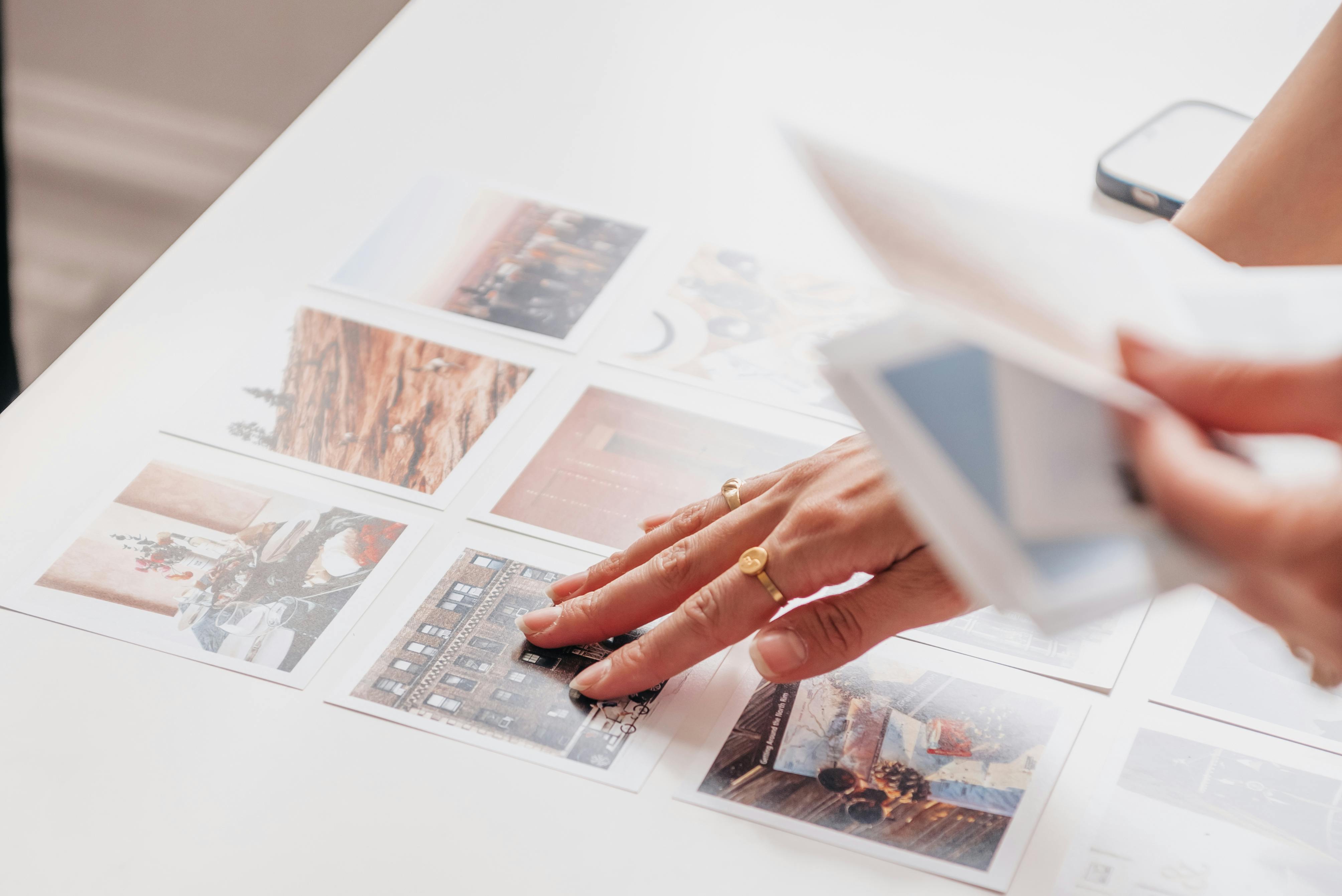
(Why printed photos aren’t outdated—they’re legacy.)
Let’s talk about something that makes a lot of new photographers hesitate: explaining the value of printed photos.
We live in a world where everything is digital. Clients are used to getting files, not prints. And if you’re new to photography—especially if you’re offering minis or portfolio-building sessions—it might feel easier to just stick to digitals. They’re fast, easy to deliver, and feel like what “everyone else is doing.”
But here’s the truth: if you stop at files, you’re selling your clients short.
Prints aren’t outdated. They’re lasting.
They’re meaningful.
And as photographers, we have a responsibility to help our clients understand that what we create together deserves to live somewhere beyond a hard drive.
Whether you’re offering full-service wall art or just trying to convince clients to order that one family photo for the living room, this blog will help you explain the why behind prints—without sounding pushy or salesy.
Let’s dive in.
The Problem with Digital-Only Thinking
There’s no denying the convenience of digital photos. They’re easy to share, they work for social media, and they don’t take up physical space. Most beginner clients don’t even think about prints—because we’re all conditioned to scroll and swipe.
But here’s the catch: digital files aren’t forever.
Hard drives fail. Phones get lost. Facebook albums disappear. That USB from 2013? You might not even have a computer that reads it anymore.
Digital is fleeting. Prints are permanent.
And it’s up to us—not in a pushy way, but in a professional one—to educate clients on what they’re missing when they skip the print step.
1. Tangibility Matters
There’s something powerful about holding a photograph in your hands.
It’s not just about the paper or the frame—it’s about connection. When clients see their images printed, everything changes. The moment becomes real. It carries more weight. It feels finished.
Think about it from your own experience:
Have you ever come across an old box of family photos? Not digital files, but prints? The way they smell, the feel of the edges, the handwriting on the back—those are things digital images can’t replicate.
When you talk to clients about prints, talk about tangibility. Talk about emotion. Help them see that it’s not about stuff—it’s about something real they can touch, revisit, and share.
2. Longevity: Prints Outlast Tech and Trends
I like to ask clients a simple question:
“What will your grandkids see someday?”
It’s not meant to be dramatic—it’s meant to be honest.
Technology changes constantly. What’s standard today will be obsolete tomorrow. (Remember CDs? Mini discs? Yeah.) Files get lost, formats change, cloud accounts get deleted. But that framed photo on your wall? That album on your shelf? That stays.
If you want to make a legacy for your family, prints are how you do it.
This is especially important for newborn, milestone, and family photographers. These aren’t just photos—they’re chapters of a story. And stories deserve more than a JPEG.
3. Storytelling Value: Albums, Walls, and Gifts
Here’s where you can paint a picture for your client—literally.
➡️ Imagine walking into your home and seeing that golden-hour photo on the wall.
➡️ Imagine flipping through an album that shows your child growing up—year by year.
➡️ Imagine handing your parents a framed print of their grandbaby for Christmas.
These aren’t just products. They’re storytelling tools.
Every print becomes a way to remember, to celebrate, to share. And unlike Instagram stories, they don’t disappear after 24 hours.
You don’t have to offer luxury albums or huge gallery walls to tap into this. Even basic print packages, seasonal mini session bundles, or small framed gifts can give clients the power of printed memories.
4. How to Talk About Prints Without Sounding Pushy
Okay—this is the part that scares most beginners.
“How do I bring up prints without sounding like I’m just trying to upsell?”
Here’s my advice: take the pressure off. You’re not pushing prints. You’re guiding your client.
Try framing it like this:
✨ “Most of my clients love to have at least one image printed—it’s different than seeing it on a screen.”
✨ “Would you like me to show you a few examples of what this could look like framed?”
✨ “Let’s talk about how you might want to enjoy your photos beyond digital copies.”
These aren’t sales lines. They’re service. You’re helping your client make the most of their investment. That’s not pushy—that’s professional.
And if someone says no? That’s okay. You planted the seed. More often than not, they come back later once they realize how special a print can be.
5. Pairing Prints with Digitals
This is one of my favorite approaches: don’t frame it as a choice between prints or digitals. Offer both.
Let your clients enjoy the convenience of digital and the emotional value of print.
➡️ Include a small print credit with your mini sessions.
➡️ Bundle a matching digital + print option in your full sessions.
➡️ Offer a “top favorite” image as a ready-to-frame 5×7 with every booking.
This turns print into a bonus, not a barrier. And when they receive it in the mail? That little print can spark a whole new appreciation for what you do.
6. Using Samples to Show Value
You know what sells prints better than words? Seeing them.
If you do in-person consultations or sales sessions, always have samples. Albums, wall art mockups, mounted prints, even postcards. Let them touch the texture, feel the difference in quality, and picture what their images could look like.
If you’re fully online or working with mini sessions, take flat lays or product photos of your printed work. Even just a quick iPhone shot of a print on your desk can make a huge difference. Show clients what’s possible—not just what’s included.
It’s hard for someone to value what they can’t see. So give them a visual. Show them what their memories could become.
Final Thoughts: Prints Are Part of the Legacy, Not Just the Sale
The value of prints isn’t about making more money. It’s about helping your clients remember.
When you deliver digital files, you’re giving them access.
When you deliver prints, you’re giving them presence.
That presence matters. For families. For kids. For future generations. And honestly? For you, too. Seeing your work in print is a powerful reminder of why you do what you do.
So don’t shy away from the print conversation. Don’t assume your clients don’t care. Instead, educate, inspire, and guide.
Because legacy lives in print. And you’re not just a file deliverer—you’re a memory maker.